
Introduction: Plastic Is Out, Seaweed Is In
Plastic pollution is one of the most persistent ESG challenges of our time. From Scope 3 packaging emissions to marine ecosystem degradation, the global supply chain is tangled in fossil-based materials. But in 2025, a climate-tech startup from Western Australia is rewriting the script - with seaweed.
Meet Uluu, a company that’s not just making plastic alternatives, but reimagining the material economy. In November 2025, Uluu secured AU$16 million (≈US$10.5M) in Series A funding to scale its seaweed-derived biopolymer, a material that’s compostable, marine biodegradable, and carbon-negative at scale.
What Makes Uluu’s Tech So Disruptive?
Uluu’s innovation lies in its biological simplicity and ecological elegance. Instead of petrochemicals, it uses:
- Seaweed: A fast-growing, regenerative biomass that doesn’t compete with food crops
- Saltwater microbes: Fermentation organisms that convert seaweed sugars into PHA (polyhydroxyalkanoates)
- Closed-loop production: No freshwater, no arable land, and no toxic byproducts
Source: https://www.uluu.com.au/about

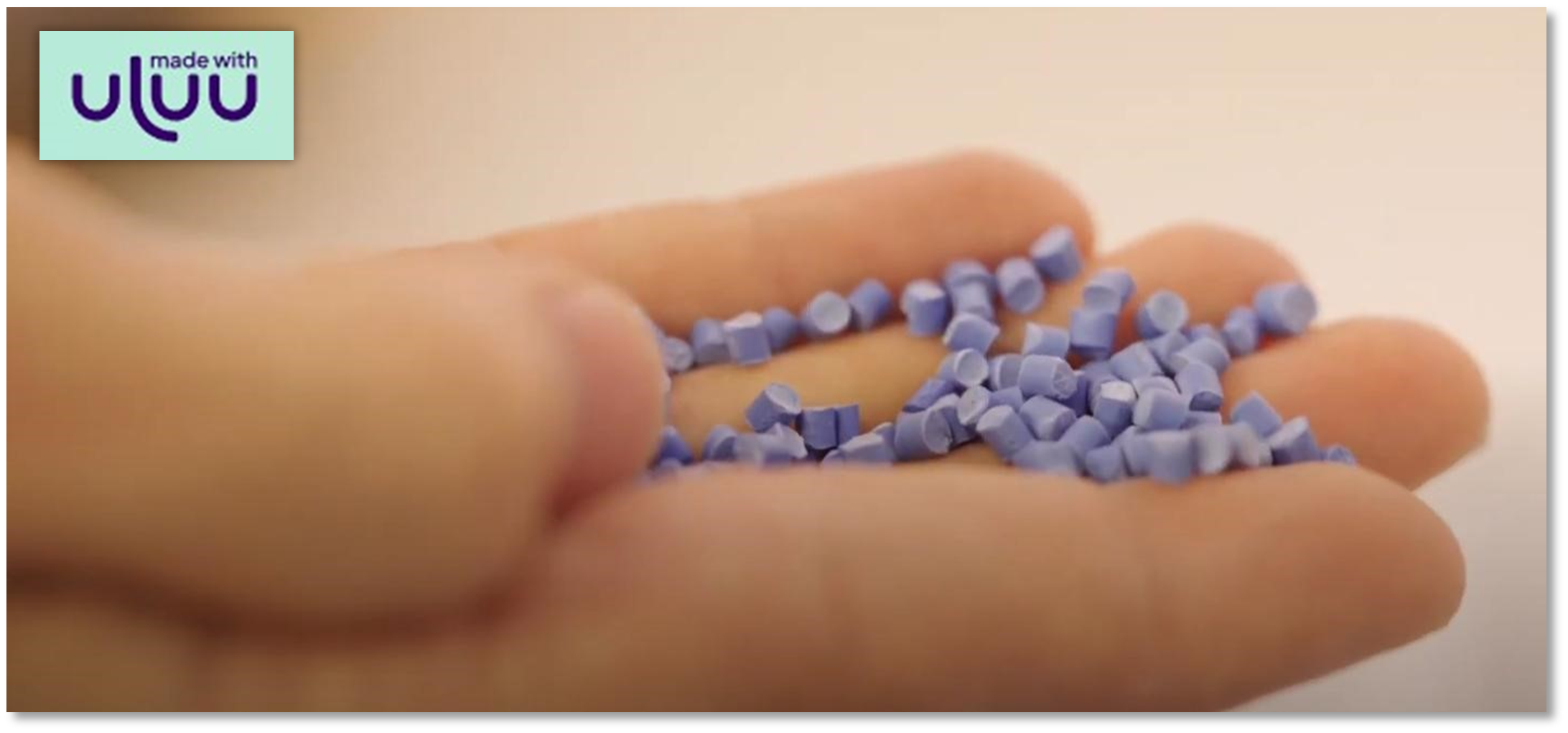
The result? A material that behaves like plastic but degrades naturally in marine environments, making it ideal for packaging, textiles, and consumer goods.
ESG Relevance: Scope 3, Circularity, and Ocean Health
Uluu’s biopolymer hits multiple ESG targets:
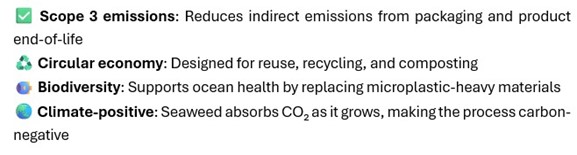
For ASEAN companies, especially those in retail, logistics, and food packaging, Uluu offers a scalable alternative that aligns with plastic bans, green procurement policies, and sustainability-linked financing.
Case Study: Scaling Seaweed for Impact
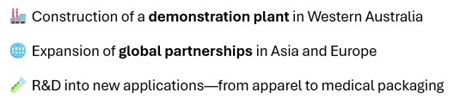
Uluu's Series A round was led by Main Sequence Ventures (CSIRO’s innovation fund), with backing from Albert Impact Ventures and Grok Ventures. The funding will support:
The company’s founders, Dr. Julia Reisser and Michael Reisser, are marine scientists turned entrepreneurs. Their mission? To build a material economy that heals the ocean instead of harming it.
ASEAN Potential: Biomass Meets Market Demand
With its coastal biomass potential, ASEAN is well-positioned to benefit from seaweedbased innovation. Countries like Indonesia, Malaysia, and the Philippines already cultivate seaweed for food and cosmetics. Uluu’s model could unlock:
- New income streams for coastal communities
- Green industrial zones focused on biopolymer production
- ESG-compliant packaging for export-driven sectors
Imagine Sarawak’s seaweed farmers supplying raw material for ESG-certified packaging used by regional e-commerce giants. That’s the kind of coalition model Uluu’s tech invites.
Conclusion: From Fossil-Free to Future-Ready
Uluu isn’t just a startup, it’s a signal. A signal that ESG innovation is moving upstream, tackling Scope 3 emissions at the material level.
The message is clear:
“If your packaging still relies on fossil-based plastic, you’re not future-ready.”
As we close 2025, Uluu’s seaweed-based biopolymer offers a tangible, scalable, and beautiful solution. It’s time to turn the tide from awareness to action.