

Introduction: Why COP30 Matters
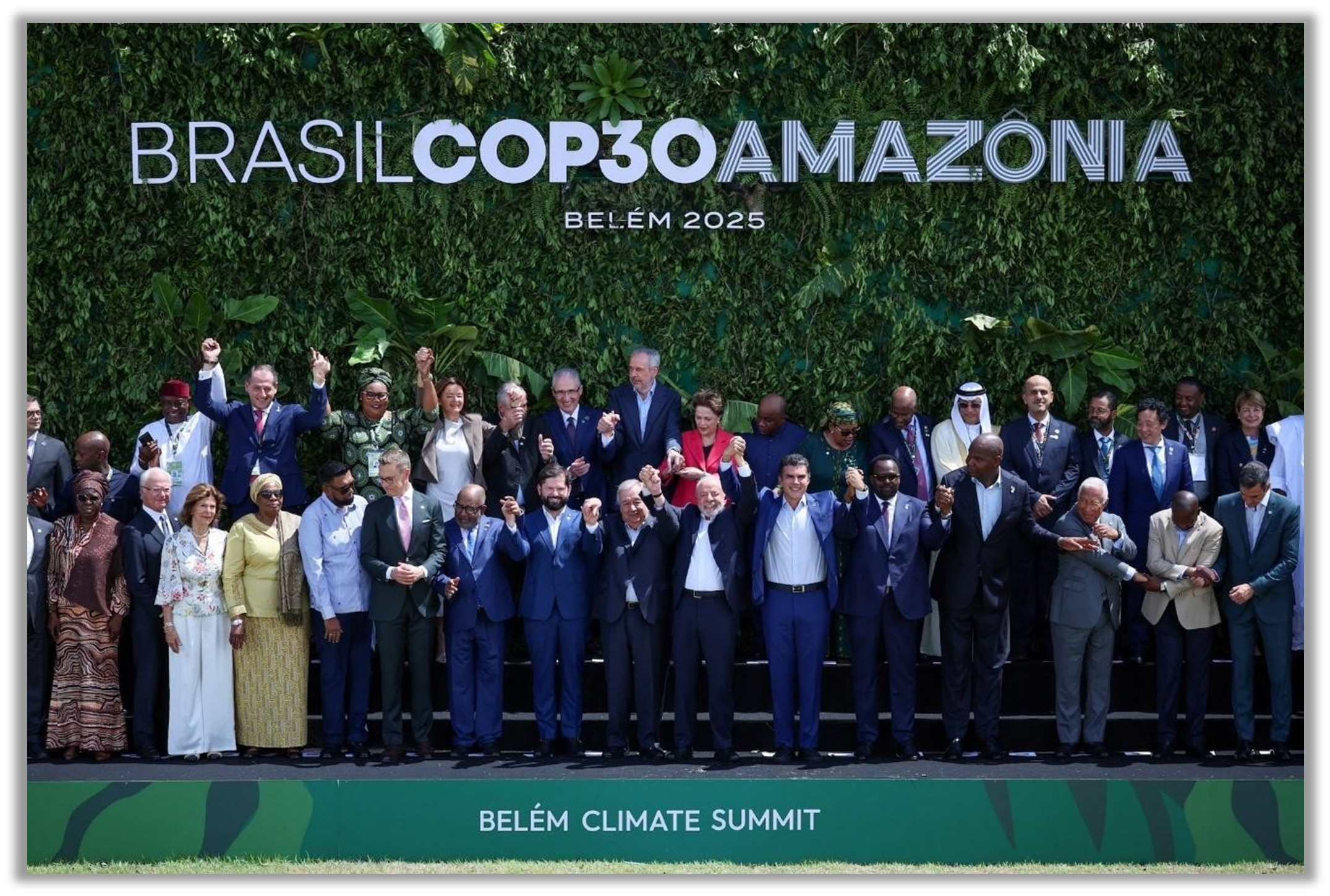
From 6–21 November 2025, the world gathered in Belém, Brazil for the 30th annual United Nations climate summit—COP30. This year’s conference carried a unique weight: it was the first COP hosted in the Amazon, a region symbolic of both climate vulnerability and resilience.
COP30 wasn’t just another round of negotiations. It was a litmus test for global credibility. With the Paris Agreement’s 2030 targets looming, leaders faced mounting pressure to move from pledges to measurable action.
Key Highlights & Outcomes From COP30
1.Amazon Protection & Indigenous Rights
Brazil spotlighted the Amazon as a global climate asset. Commitments included new funding for forest conservation and recognition of Indigenous communities as frontline climate stewards. Brazil pledged to protect 80% of the Amazon by 2025, end deforestation by 2030, and create a biodiversity fund. Local resilience models, like the Barcarena school, showcased climate adaptation through infrastructure and education.
Delegates reviewed progress under the Paris Agreement. Findings showed that while emissions growth has slowed, current trajectories still fall short of limiting warming to 1.5°C.
3.Climate Finance & Loss and Damage
Developing nations demanded clarity on the US$100 billion annual climate finance pledge. Discussions focused on operationalizing the Loss and Damage Fund, with Brazil pushing for equitable access.
Outcome:
- Countries agreed to a sweeping package to scale up climate finance, including operationalizing the Loss and Damage Fund.
- The long-standing US$100 billion annual pledge was reaffirmed, with new mechanisms proposed for equitable access by least developed nations.
4.Energy Transition & Innovation
Calls for a pivot from fossil fuels to renewables dominated. Tech leaders, including Bill Gates, urged a sharper focus on innovation-driven strategies to complement emissions cuts.
Outcome:
- Despite pressure, no formal commitment to phase out fossil fuels was reached.
- UN Secretary-General António Guterres and Brazil’s President Lula da Silva urged unity, stating “the world is watching”.
- Gender and Climate Justice
- Women’s groups demanded stronger gender integration in climate policy, stating “there is no climate justice without gender equality.”
- Waste pickers, legal advocates, and Indigenous women led side events calling for inclusive climate governance.
- Youth Leadership and Fossil Fuel Phase-Out
- Guterres called for youth power in the “decisive battle” to phase out fossil fuels.
- Youth roundtables emphasized intergenerational equity and climate education.
- Civil Society and Indigenous Voices
- Street actions, side events, and Indigenous marches amplified calls for climate justice and land rights.
- The message: “The answer is us”.
Looking Ahead: COP31 and COP32
The future of COP summits was also on the agenda:
- COP31 (2026): Host undecided, with Australia and Turkey vying for the role.
- COP32 (2027): Ethiopia set to be confirmed as host, signalling Africa’s rising leadership in climate diplomacy.
These choices reflect the geopolitical balancing act of climate governance, ensuring diverse regions shape the global agenda.
Conclusion: From Belém to the World
COP30 in Brazil was more than symbolic, it was a call to accelerate. The Amazon set the stage, but the message was global:
- Protect ecosystems
- Deliver finance
- Scale innovation
- Build trust
The takeaway is clear: COP30 marks the pivot from promises to proof. The next two years will determine whether the world can credibly meet its 2030 climate goals.