
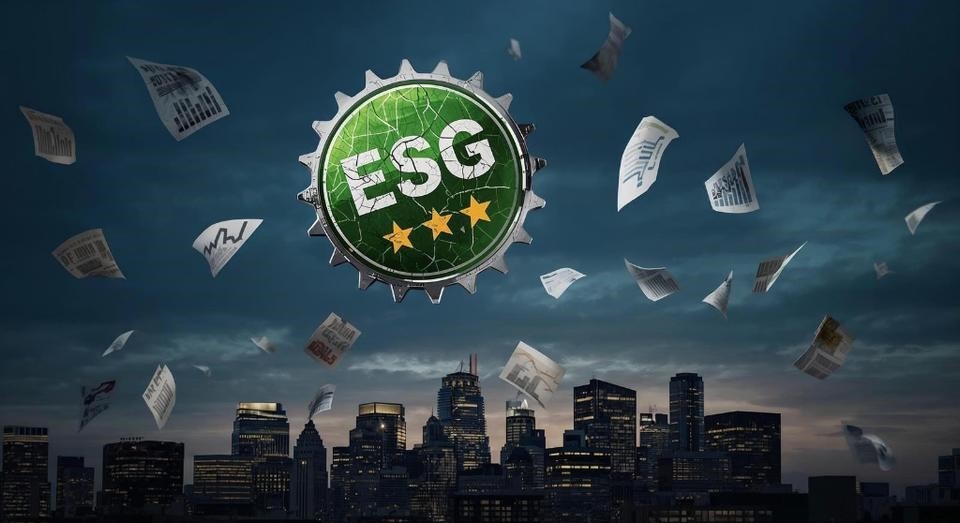
Why ESG Ratings and Greenwashing Litigation Are Reaching Breaking Point in 2026
The era of vague
green promises is over. Regulators, investors, and consumers have run out
of patience with unsubstantiated sustainability claims. In 2024 alone, 918 Europeanheadquartered companies were linked to at least one
greenwashing risk incident, up from 338 in 2020, according to ESG data provider RepRisk. In
2026, the pressure to back up sustainability claims with hard evidence has
never been greater and the consequences of falling short have never been more
severe.
The Credibility Challenge
Greenwashing: where companies overstate or misrepresent
their environmental credentials has gone from a reputational risk to a legal
one. Class actions, regulatory fines, and investor scrutiny are converging at a
pace that is forcing businesses to rethink how they communicate on
sustainability.
One of the most high-profile examples is Deutsche Wealth Management (DWS), which
was fined €25 million for misrepresenting the ESG credentials of its investment
funds. Airlines, too, are facing intensifying scrutiny for their carbon-neutral
claims, many of which rely on offset mechanisms that critics argue are
unreliable.
Regulatory Crackdown Intensifies
Across major markets, the regulatory net
is tightening:
• European Union (EU): The EU Empowering
Consumers for Green Transition Directive is set to take effect in September
2026, prohibiting unsubstantiated environmental claims in marketing.
• United Kingdom (UK): The UK Financial
Conduct Authority (FCA)'s anti-greenwashing rule has now been in force for 18
months. Early results show increased compliance scrutiny and some high-profile
corrections to fund labelling.
• United States (US): Over 150
greenwashing class actions have been tracked, with state attorneys general
increasingly targeting renewable energy certificate claims made by corporates.
• India: The Securities and Exchange
Board of India (SEBI) has tightened guidelines to prevent misleading
sustainability disclosures, reflecting a growing global consensus.
ESG Ratings Under the Microscope
ESG rating providers are under fire not just from
critics, but from regulators. The
core issues are well-known: divergent methodologies, undisclosed conflicts of
interest, and a wide variation in how providers assess physical climate risks.
This inconsistency creates confusion for investors trying to make like-for-like
comparisons.
In response, both the EU and UK are moving towards
"enhanced self-regulation" frameworks for rating providers. The FCA
has consulted on bringing ESG raters within its regulatory perimeter, with
authorisation potentially required by June 2028. This signals a future where
rating agencies must meet a higher bar of transparency and accountability.
High-Profile Cases Worth Watching
Beyond DWS, other cases are shaping how
the market understands greenwashing liability:
• State attorneys
general in the US are targeting SBTI and proxy advisory
firms companies making broad "renewable" or "net-zero"
claims without sufficient substantiation.
• India's SEBI is taking a more proactive stance on
greenwashing, signalling that this is no longer just a Western regulatory
concern.
The Corporate Response: From Greenwashing to Green Hushing
Paradoxically, the regulatory pressure has given rise to a
new problem: "green hushing" where companies go silent on
sustainability to avoid scrutiny. While understandable, this trend risks
undermining the transparency that markets and stakeholders need.
The most resilient companies are taking a different path:
investing in third-party assurance for sustainability claims, adopting
transparent methodologies, and ensuring that what they say can be
substantiated. In short, they are building credibility rather than retreating
from it.
The Path Forward
Building a credible, market-led sustainability ecosystem requires more than compliance. It demands robust internal governance, clear accountability structures, and a culture where sustainability claims are held to the same standard as financial disclosures. The companies that get this right in 2026 will be better positioned for the regulatory landscape ahead.